Introduction
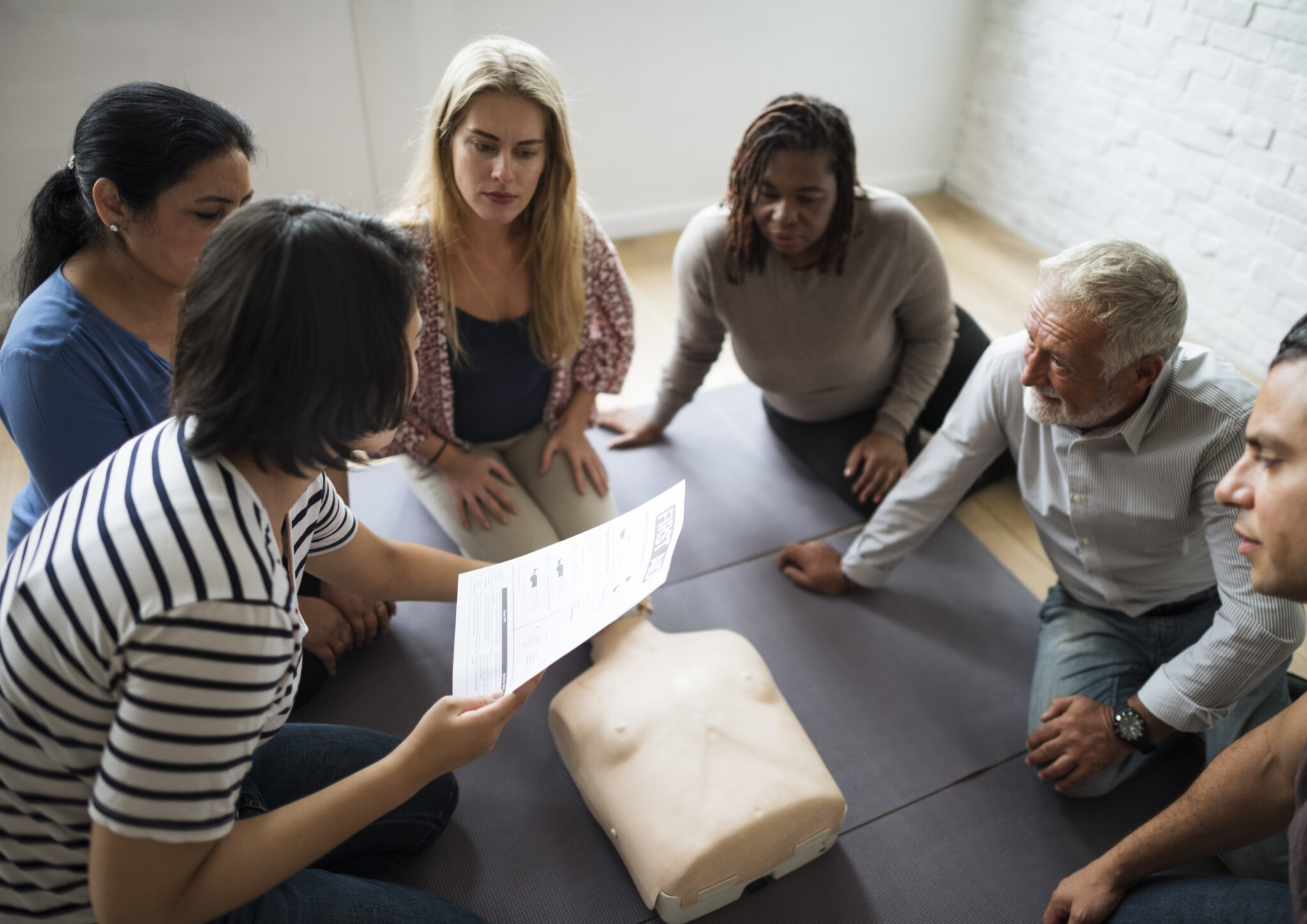
In a world where emergency situations can strike at any moment, knowing how to carry out CPR (Cardiopulmonary Resuscitation) is not simply advantageous; it's crucial. The sheer changability of life indicates that any individual can find themselves in a situation where they need to save a life. In Australia, age-specific CPR standards have been established to guarantee that methods are tailored for individuals across all age teams-- from babies to senior citizens. This write-up will explore the ins and outs of these standards, providing insights on how to effectively carry out mouth-to-mouth resuscitation based upon the age of the victim.
Age-Specific CPR Guidelines in Australia: Tailoring Techniques for All Ages
The value of understanding age-specific CPR guidelines in Australia can not be overemphasized. Different age groups have varying physiological requirements and reactions during emergencies. For instance, the technique utilized on a baby is vastly various from that used on a grownup. By tailoring our technique, we can boost the chances of survival and dramatically impact the end results of cardiac arrests.
1. Recognizing Cardiopulmonary Resuscitation (MOUTH-TO-MOUTH RESUSCITATION)
What is CPR?
Cardiopulmonary Resuscitation is a lifesaving method employed when a person's breathing or heart beat has stopped. It incorporates chest compressions with rescue breaths to keep blood circulation and supply oxygen to the mind and other essential organs up until expert clinical help arrives.
Why is mouth-to-mouth resuscitation Important?
Every min counts throughout a heart attack. According to data, executing mouth-to-mouth resuscitation can increase and even triple a victim's opportunity of survival. Hence, being furnished with knowledge regarding how to do CPR can indeed make the distinction in between life and death.
2. Identifying Heart Attack Signs Throughout Age Groups
Common Check in Adults
- Sudden collapse No pulse Unresponsiveness
Identifying Signs and symptoms in Babies and Children
- Lack of responsiveness Abnormal breathing patterns Pale or bluish skin tone
3. The Duty of AED in Cardiac Emergencies
What is an AED?
An Automated External Defibrillator (AED) is a portable gadget that checks heart rhythm and can send an electric shock to the heart if required. Knowing how to make use of an AED combined with CPR considerably more info boosts survival rates.
Using AED with mouth-to-mouth resuscitation Australia: A Detailed Guide
Call emergency services immediately. Begin mouth-to-mouth resuscitation up until an AED is available. Turn on the AED and affix pads. Follow audio/visual motivates offered by the machine.4. Age-Specific Methods for Doing CPR
Infant CPR Technique
When carrying out CPR on babies:
- Use two fingers for compressions. Administer 30 compressions followed by 2 breaths. Ensure your mouth covers both the baby's mouth and nose while giving rescue breaths.
Child (1 year to adolescence) CPR Technique
For kids:
- Use one hand for upper body compressions if they are larger; otherwise, make use of two fingers. Continue with 30 compressions complied with by 2 rescue breaths as in infant care.
Adult mouth-to-mouth resuscitation Technique
For adults:

- Use two hands positioned properly on the lower fifty percent of the breastbone. Perform 30 chest compressions at a deepness of at the very least 5 centimeters but ideally not surpassing 6 cm-- this helps prevent incorrect compression depth that might result in inadequate responses.
5. Unique Situations Calling For Modified Techniques
CPR for Drowning Victims
Drowning targets need instant activity:
Remove from water. Begin rescue breaths prior to continuing with conventional compression techniques.Sports-related Cardiac Arrests
Athletes might experience sudden heart attack as a result of physical effort:
Ensure safety and security first. Perform instant high-quality breast compressions no matter their athletic condition.6. Workplace Emergency Situation Plans: Getting Ready For Unanticipated Situations
Creating effective work environment emergency prepares decreases turmoil throughout situations:
- Conduct normal drills making use of neighborhood CPR classes. Keep AEDs accessible throughout job areas.
7. Family CPR Preparedness: Preparing Your Family Members for Emergencies
Having standard first aid products in the house rises readiness:
- Maintain a well-stocked emergency treatment kit. Familiarize family members with house procedures in case somebody collapses unexpectedly.
8. On-line CPR Qualification Australia: Access Matters
With advancements in modern technology, acquiring your CPR qualification online has never been easier:
Choose certified companies supplying detailed training courses covering present Australian standards. Assess useful elements with arranged workshops or simulations after on the internet learning.9. The Credibility of Your Mouth-to-mouth Resuscitation Certificate
Understanding CPR certificate validity ensures you remain prepared:
- Most accreditations last between one to three years, depending on business needs; restore them regularly.
10. Advanced Resuscitation Abilities: Exceeding Basic Techniques
Healthcare specialists typically need innovative resuscitation skills:
Training includes managing air passage blockages effectively. Understanding medicinal treatments alongside standard protocols improves results significantly.FAQs
FAQ 1: What ought to I do if I witness a person collapse?
Call emergency situation solutions promptly, after that inspect responsiveness and pulse while preparing to execute CPR if necessary.
FAQ 2: Are there certain training sessions available?
Yes! Numerous neighborhood CPR classes accommodate every ages and ability degrees across Australia; check community centers or hospitals!

FAQ 3: Exactly how frequently need to I renew my certification?
Most organizations suggest restoring each to 3 years relying on particular qualification demands within Australia.
FAQ 4: Is it needed to combine emergency treatment with my CPR training?
Combining cpr and emergency treatment combo courses provides extensive life-saving abilities suitable in different scenarios beyond cardiac arrest scenarios.
FAQ 5: Can I execute effective rescue breaths without training?
While you can attempt hands-only CPR, obtaining proper training makes certain reliable shipment methods customized specifically for different age groups guaranteeing much better results overall!
FAQ 6: What happens if I perform CPR incorrectly?
While it's crucial not to panic over errors made throughout a lifesaving attempt, making certain proper training reduces threats related to incorrect techniques like inadequate depth or pacing errors!
Conclusion
Understanding age-specific guidelines surrounding cardiopulmonary resuscitation outfits individuals with crucial abilities important for conserving lives across varied scenarios within Australia-- from babies through senior individuals facing diverse emergency situations alike! Whether you're looking for formal education and learning through local courses or seeking on the internet qualification options-- remaining updated fosters confidence when moments matter most! Don't ignore your capacity; every second matters! Begin finding out today because grasping these techniques may quite possibly imply saving someone's life tomorrow! The significance of being prepared can not be overemphasized-- besides, knowledge saves lives!